Select menu
Solutions
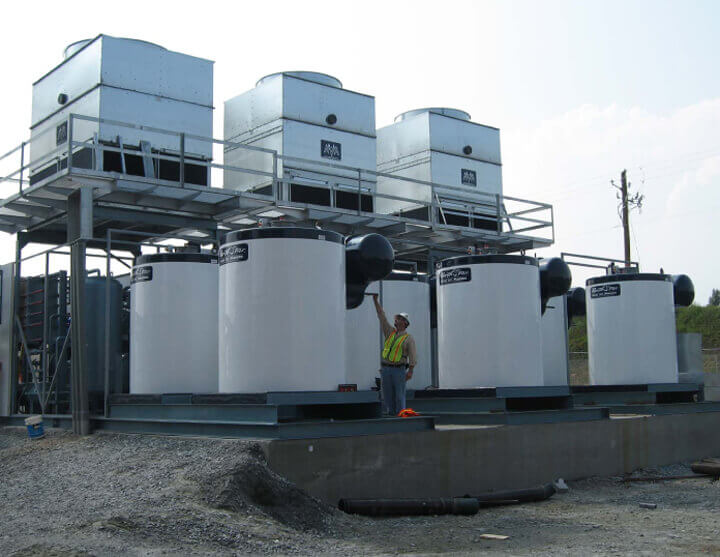
Flake ice is a preferred method for cooling concrete on mass pour projects such hydro dams, nuclear power plants, and ready-mix. Flake ice reduces heat generated during the concrete curing process making it the best choice in critical low temperature concrete specifications. North Star can supply the ice production, ice storage, and ice delivery for an efficient concrete cooling system that can be integrated into a batching plant.
- Pre-cool concrete for mass pour projects
- Regulate concrete temperatures to meet specific construction project requirements
- Temporary storage for batching plants
- Ice delivery to weigh hoppers and multiple end use points for immediate use
- Metered delivery for batching plants and different design mixes

 Considerations
Temperature-controlled concrete is required for most mass pour concrete projects. Concrete is cooled to reduce heat which can compromise the strength and integrity of a structure. Concrete that is kept at the proper temperature will support structurally sound projects and eliminate costly downtime.
Concrete can be cooled using a variety of methods. Flake ice, or a mixture of flake ice and water, is the ideal choice because of its versatility, low cost, and its ability to remove heat quickly.
Greater Cooling Surface Area
North Star flake ice provides over 17,000 square feet (1,600 square meters) of heat transfer surface per ton, so it absorbs heat and cools more quickly and efficiently than other concrete cooling options.
Thorough Product Mixing
North Star flake ice is 1/16" (1.5mm) thick, it melts quickly and completely with no delay in mixing time. There are no large ice particles introduced to the mix causing voids and rejected concrete.
Better Time Efficiency
North Star ice systems give consistent concrete temperature control with every batch throughout the day. There is no waiting for start-up, for containments and iron to cool, or for pumps and compressors to come on line.
Avoid Costly Downtime
If there is a delay in concrete production for any reason, properly stored North Star flake ice does not lose its cooling capacity.
Environmentally Friendly
Unlike water-cooling of aggregate, flake ice production does not produce waste water or require excess water disposal. With North Star systems, all water required for ice making is contained and utilized.
Smaller Foot Print
Compared with cooling aggregate on a belt system or in containments, North Star ice plants require very little space on a construction site.
User-friendly Controls
As temperatures rise from morning to mid-afternoon and cooling requirements increase proportionately, it is easy to control the desired flake ice output. Adjustments with batch specifications can be made with the push of a button.
Concrete Cooling Success Stories


Solutions
Flake ice is a preferred method for cooling concrete on mass pour projects such hydro dams, nuclear power plants, and ready-mix. Flake ice reduces heat generated during the concrete curing process making it the best choice in critical low temperature concrete specifications. North Star can supply the ice production, ice storage, and ice delivery for an efficient concrete cooling system that can be integrated into a batching plant.
- Pre-cool concrete for mass pour projects
- Regulate concrete temperatures to meet specific construction project requirements
- Temporary storage for batching plants
- Ice delivery to weigh hoppers and multiple end use points for immediate use
- Metered delivery for batching plants and different design mixes
recommended products
-
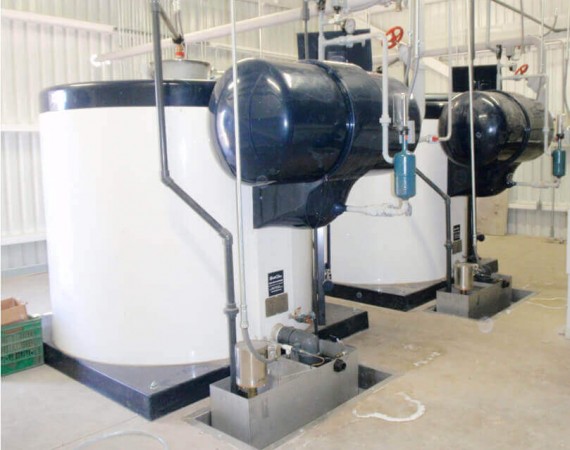
Carbon Steel Flake Ice Makers
Designed and built for dependability and efficient operation, North Star ice makers produce more ice than any other ice maker using an equally rated compressor, and convert all water to ice with no water
How to Choose » -
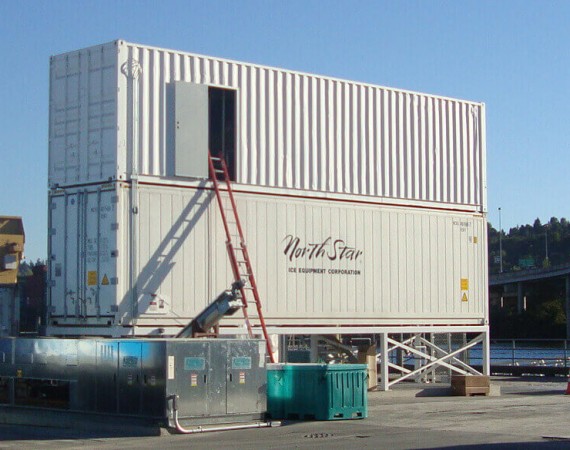
Containerized Ice Plants
North Star has the answer for customers who need turn-key ice plants that are easy to install and can be moved from place to place - a popular North Star ice system installed in standard shipping containers.
How to Choose » -

Ice Delivery Systems
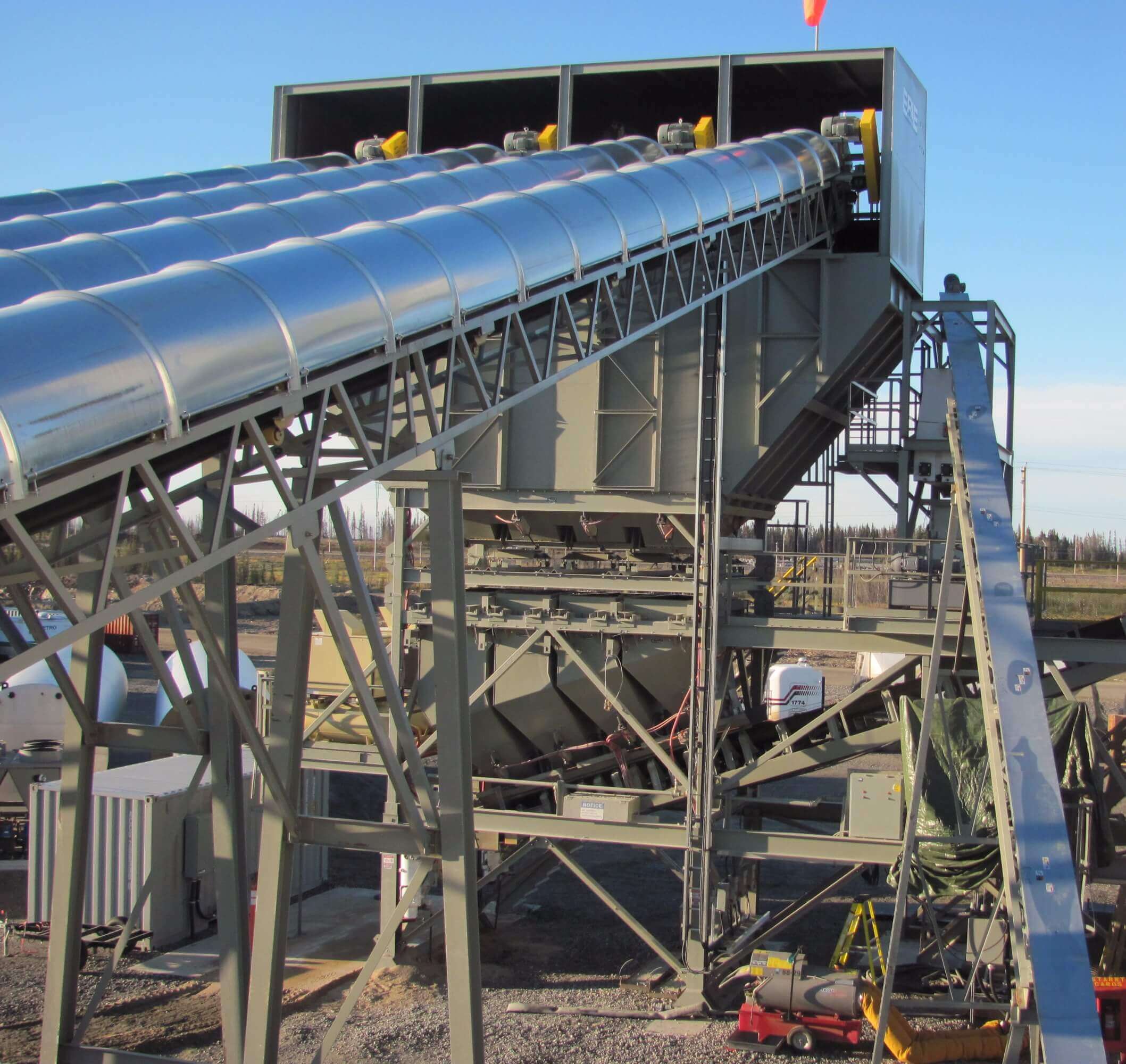
North Star offers both screw conveyor and pneumatic delivery options. We custom design your delivery system depending on your designated use points and other specifications.
How to Choose » -
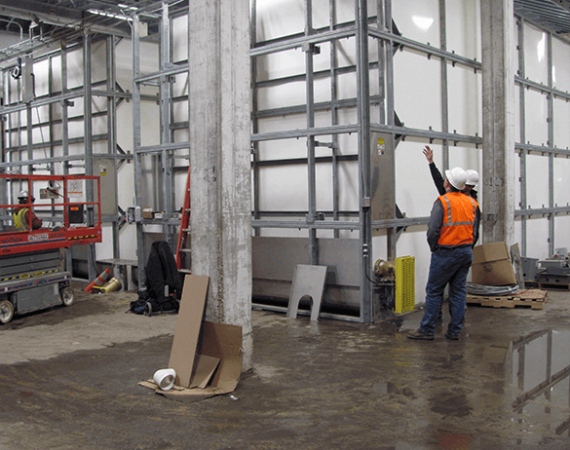
Modular Ice Storage Systems
North Star modular ice storage systems are a versatile way to store and automatically discharge any type of ice - flake, plate, shell or tube.
How to Choose » -
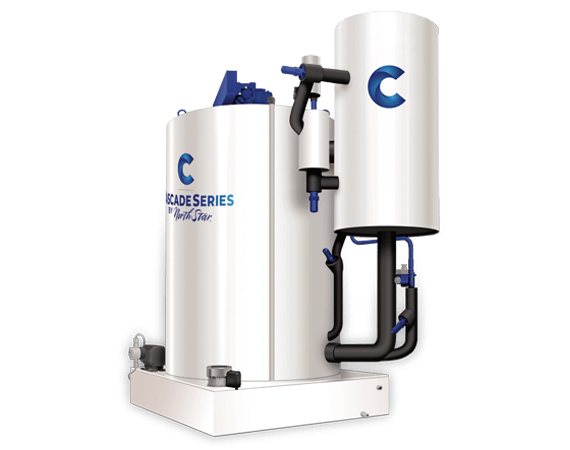
Commercial Flake Ice Machines
The Cascade Series offers commercial grade ice makers for industrial applications.
How to Choose »
Helpful Technical Information
Use the Capacity Calculator below to size the correct ice maker for your project. Download helpful brochures, specification sheets, and other technical data in our Resources Library.
 Capacity Calculator
 Resources